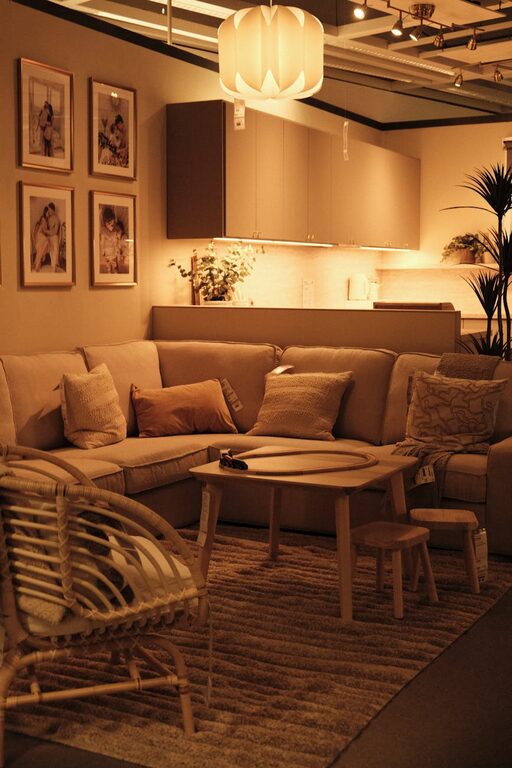
Creating a home workspace that is both cozy and functional can dramatically improve your productivity and overall well-being. Whether you work remotely, study, or just need a dedicated space for personal projects, designing an area that balances comfort with efficiency is essential. This guide offers practical tips and ideas to help you craft a home workspace tailored to your needs.
Why a Cozy and Functional Workspace Matters
A well-designed workspace helps minimize distractions and fosters focus. When the area also feels inviting, it can reduce stress and make long work hours more enjoyable. Comfort and function go hand in hand: while ergonomic furniture supports your physical health, thoughtful organization can keep your tasks on track.
1. Choose the Right Location
Consider Natural Light
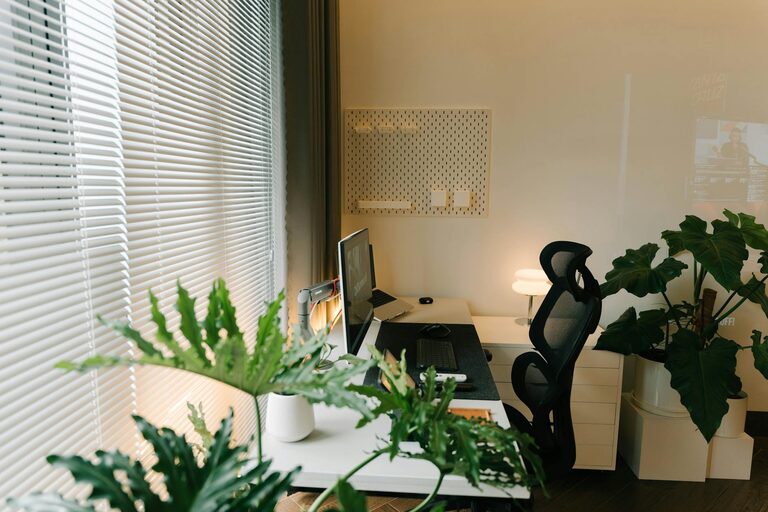
Select a spot with plenty of natural light if possible. Sunlight boosts mood and concentration, making your workspace feel more refreshing and alive. Position your desk near a window, but avoid glare on your computer screen by adjusting blinds or curtains.
Minimize Noise and Interruptions
Aim for a quiet corner of your home, away from high traffic areas. If absolute silence isn’t possible, consider noise-cancelling headphones or white noise machines to block distractions.
2. Invest in Comfortable and Ergonomic Furniture
Desk and Chair
Choose a desk that fits your space and work style. If you prefer standing, a sit-stand desk offers flexibility. Pair it with an ergonomic chair that supports good posture and prevents discomfort during long hours.
Support Accessories
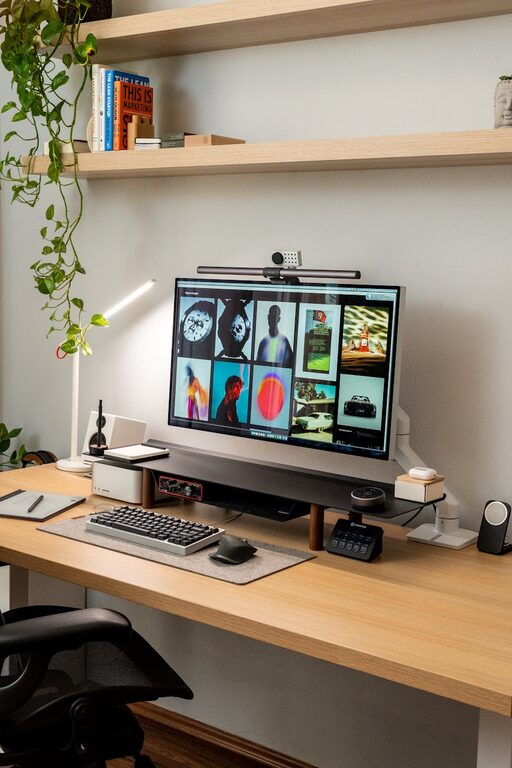
Add a keyboard tray or monitor stand to keep screens at eye level, reducing neck strain. Footrests and lumbar cushions also enhance comfort for extended sitting.
3. Optimize Organization and Storage
Declutter Regularly
Keep your workspace tidy by regularly removing unnecessary items. A clutter-free environment fosters mental clarity.
Use Storage Solutions
Incorporate shelves, drawers, or filing cabinets to organize documents, supplies, and equipment. Desk organizers for pens, paper, and chargers help keep essential items within reach.
4. Personalize Your Space
Add Meaningful Decor
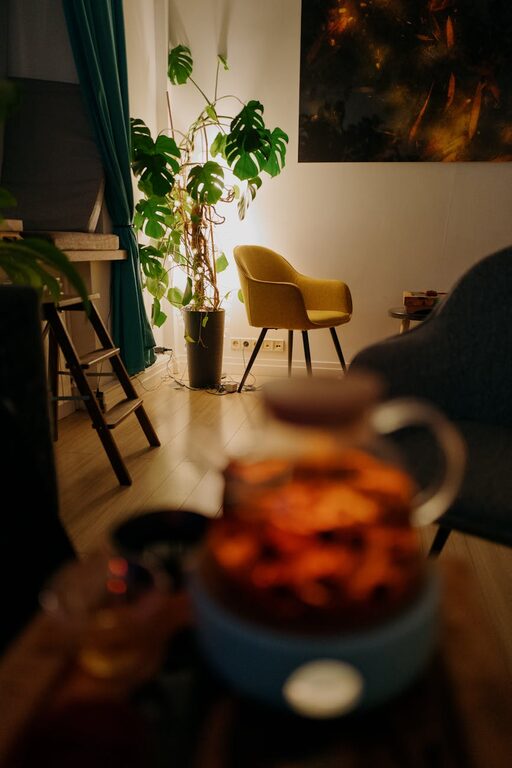
Incorporate personal touches like photos, artwork, or plants to make the space inviting. Plants not only add a pop of color but also improve air quality.
Choose Calming Colors
Use neutral tones or soft, warm colors that create a relaxing atmosphere. Avoid overly bright or distracting hues that can disrupt focus.
5. Ensure Proper Lighting
Layered Lighting
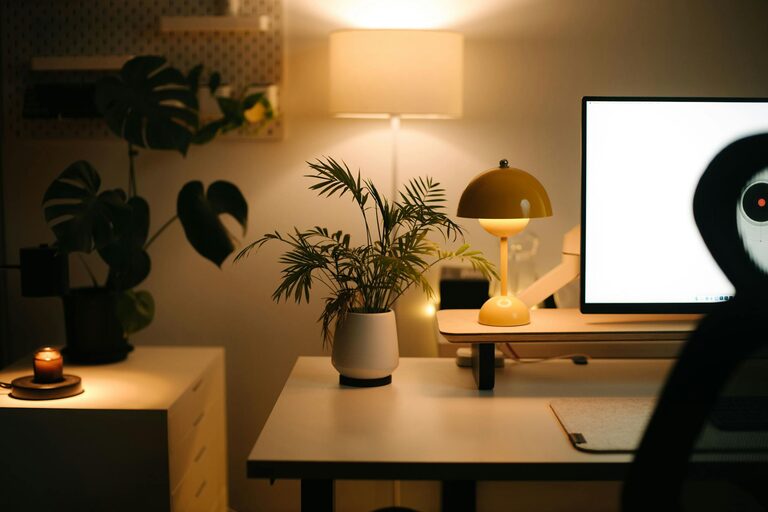
Combine natural light with task lighting like desk lamps and ambient light sources. Adjustable lamps give you control over brightness and direction, reducing eye strain.
Avoid Harsh Overhead Lights
Soft, diffused lighting is easier on the eyes and contributes to a cozy feel.
6. Create a Dedicated Tech Setup
Reliable Equipment
Use a high-quality computer, monitor, and peripherals to maximize efficiency. Maintain good cable management to prevent tangles and clutter.
Backup and Connectivity
Ensure your internet connection is stable. Consider adding surge protectors and backup drives to keep your work safe.
7. Develop Routines to Support Productivity
Schedule Breaks
Incorporate short breaks to stretch and rest your eyes. A cozy space can be a reminder to take these important pauses.
Define Start and End Times
Having clear boundaries between work and personal time helps maintain balance, especially when your workspace is at home.
Bonus Tips: Enhancing Comfort and Focus
– Add a Cozy Rug: Soft rugs improve comfort underfoot and visually define your workspace.
– Maintain Air Quality: Use air purifiers or open windows to keep fresh air circulating.
– Keep Hydrated: Place a water bottle or mug nearby to encourage regular hydration.
—
Designing a home workspace that combines coziness with functionality is achievable with thoughtful choices and planning. By focusing on comfort, organization, lighting, and personalization, you create an environment where you can focus and feel at ease. Start with small changes and adapt your space over time to best suit your work habits and lifestyle. Your workspace can be a haven that supports both productivity and wellness.
About the Author