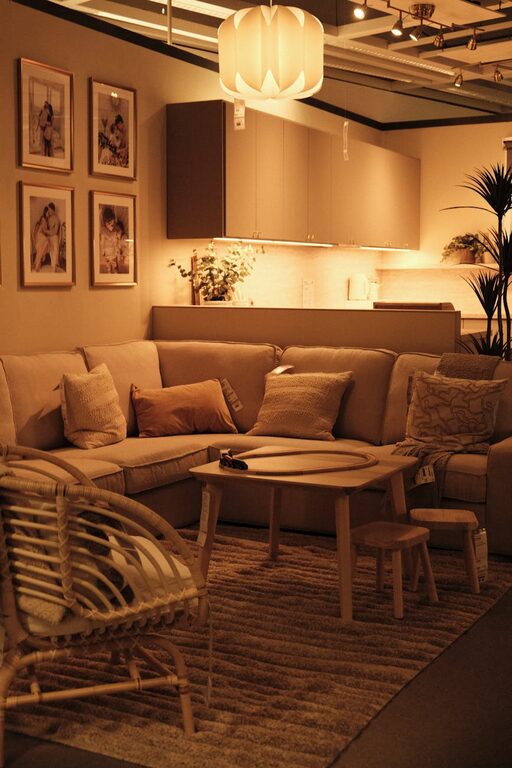
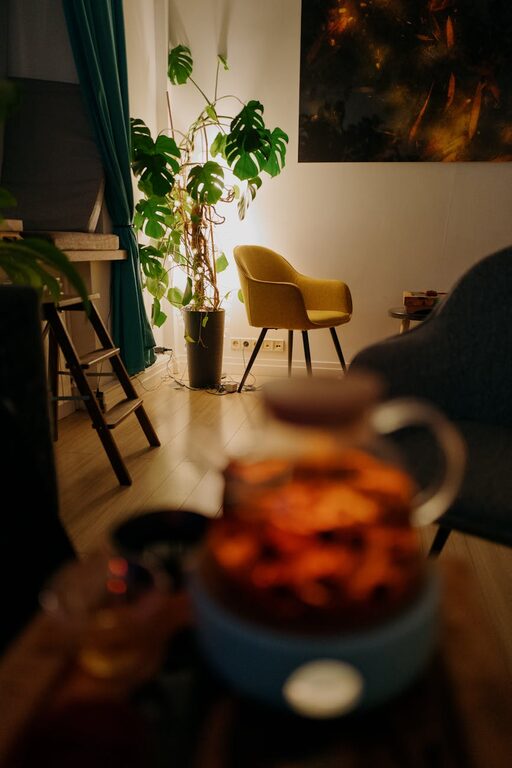
Creating a relaxing home environment is essential for enhancing your overall well-being. Our homes are where we recharge after busy days, so making them calm and inviting can boost relaxation, reduce stress, and improve your mood. The good news is that you don’t need to overhaul your entire living space to achieve this. Minor adjustments and mindful choices can make a big difference. Here are several simple, practical ways to cultivate a soothing atmosphere in your home.
1. Choose Calm and Soft Colors
Color affects how we feel, often without us realizing it. Soft and neutral tones tend to create a peaceful vibe that can calm the mind. Consider decorating with shades like soft blues, muted greens, warm beige, or gentle pastels. These colors remind the brain that it’s time to slow down, making your home feel more restful.
Tips:
– Paint walls in calming colors, or introduce them through furniture, curtains, or throw pillows.
– Avoid overly bright or flashy colors in rooms meant for relaxation like the bedroom or living room.
2. Declutter and Organize Your Space
Clutter can create stress and distraction. Clearing out unnecessary items allows the mind to breathe and makes spaces feel more orderly and welcoming. Organizing belongings in an efficient way boosts calm and helps maintain a peaceful environment longer.
How to declutter effectively:
– Spend 10 minutes daily putting things away.
– Donate or recycle items you no longer need.
– Use storage boxes and shelves to keep surfaces clear.
3. Improve Natural Light and Air Flow
Natural light plays a major role in mood and wellness. Sunlight supports the body’s natural rhythms and can uplift your spirits. Fresh air also refreshes the space and helps reduce indoor pollutants.
Ways to maximize light and ventilation:
– Keep window areas free from heavy curtains or blinds during the day.
– Open windows regularly to let in fresh air.
– Add mirrors opposite windows to reflect light deeper into rooms.
4. Incorporate Natural Elements
Bringing nature indoors creates a strong sense of tranquility. Plants not only add beauty but also improve air quality. Wood, stone, and natural fabrics can create a warm, grounded feeling.
Ideas to try:
– Add a few easy-care plants like snake plants or pothos.
– Use wooden furniture or accessories.
– Incorporate natural textiles such as cotton or linen for pillows and throws.
5. Use Soft and Comfortable Textiles
Comfortable surfaces invite relaxation and provide a sense of security. Think plush cushions, cozy rugs, and soft blankets to make sitting or lying down a pleasure.
Suggestions:
– Layer your couch with cushions and a soft throw blanket.
– Choose rugs with gentle textures for bedrooms and living areas.
– Select bedding sets made of breathable and soft materials.
6. Personalize with Meaningful Items
Surrounding yourself with objects that have positive memories or significance can enhance feelings of peace. Whether it’s photographs, artworks, or souvenirs, these elements make your space uniquely comforting.
How to do it mindfully:
– Display a few favorite photos or art pieces.
– Avoid overcrowding surfaces—provide breathing room around meaningful items.
– Change decorations seasonally to keep your space fresh and inspiring.
7. Create Relaxation Zones
Designate specific areas for unwinding and relaxation. This encourages you to take intentional breaks and helps train your mind to associate certain spaces with calm.
Examples:
– A cozy reading corner with a comfortable chair and good lighting.
– A meditation or yoga spot with a mat and minimal distractions.
– A small nook with candles and soft music to wind down.
8. Incorporate Calming Sounds
Sounds influence our environment profoundly. Gentle sounds can reduce anxiety and promote relaxation.
Ways to add soothing sound:
– Play nature sounds like ocean waves, rain, or bird songs.
– Use a small water fountain for a soft, steady flow of water noise.
– Keep music low volume with calm and slow rhythms.
9. Control Lighting Levels
Lights that are too bright or harsh can be stimulating rather than soothing. Adjustable lighting allows you to tailor the atmosphere to your needs.
Lighting tips:
– Use lamps or dimmable lights in living and bedroom areas.
– Choose warm white bulbs instead of cool fluorescent lights.
– Add candles for a soft, flickering glow (ensuring safety).
10. Maintain Cleanliness
A clean environment supports relaxation by removing distractions and creating a sense of order. Regular cleaning keeps dust and allergens down, contributing to better physical health and comfort.
Easy cleaning habits:
– Develop a weekly cleaning routine.
– Use natural cleaning products with fresh scents.
– Tidy up before bedtime so your space looks inviting in the morning.
—
Creating a relaxing home environment is a journey rather than a one-time task. By introducing these simple changes, you can gradually build a space that nurtures your well-being and provides you with daily comfort. Remember, the key is to tailor your home to what makes you feel calm and happy—this is where true relaxation begins.
About the Author