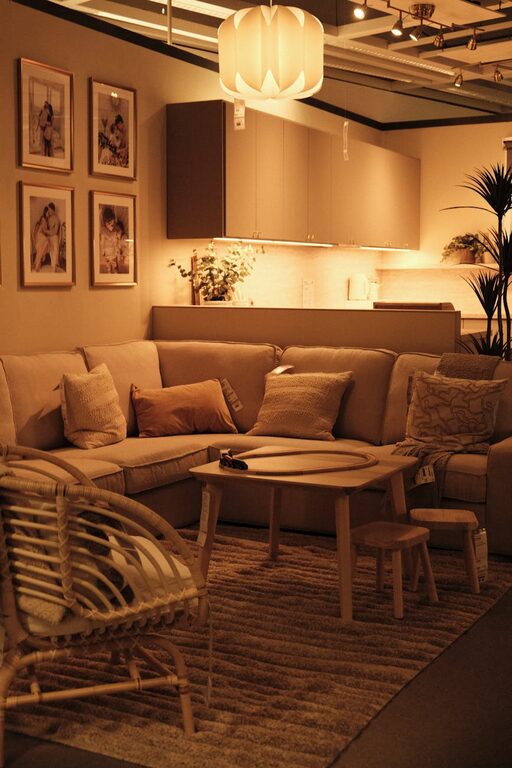
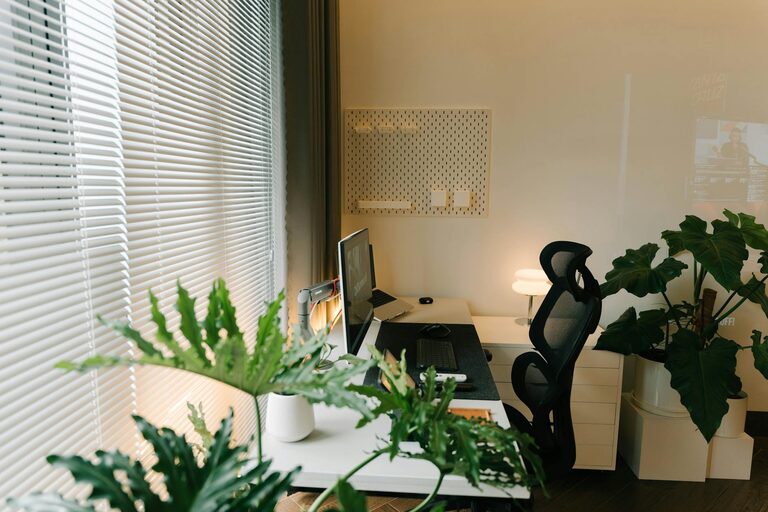
Creating a relaxing home office space is essential for staying productive and comfortable while working from home. A well-designed workspace can help reduce stress, boost creativity, and make your workday more enjoyable. Whether you have a dedicated room or a small corner, these tips will guide you in transforming your home office into a serene and efficient environment.
Choose the Right Location
Selecting a quiet, well-lit spot is the first step in creating a relaxing office. Ideally, you want a place away from heavy foot traffic and distractions. If possible, choose a room with natural light, as sunlight can improve mood and concentration. Avoid spaces that feel cramped or cluttered, as these can increase stress.
Tips for Selecting Your Space
– Opt for a room with a door to separate work from home life.
– Position your desk near a window for fresh air and daylight.
– If a separate room isn’t available, use room dividers or curtains to create boundaries.
Invest in Comfortable Furniture
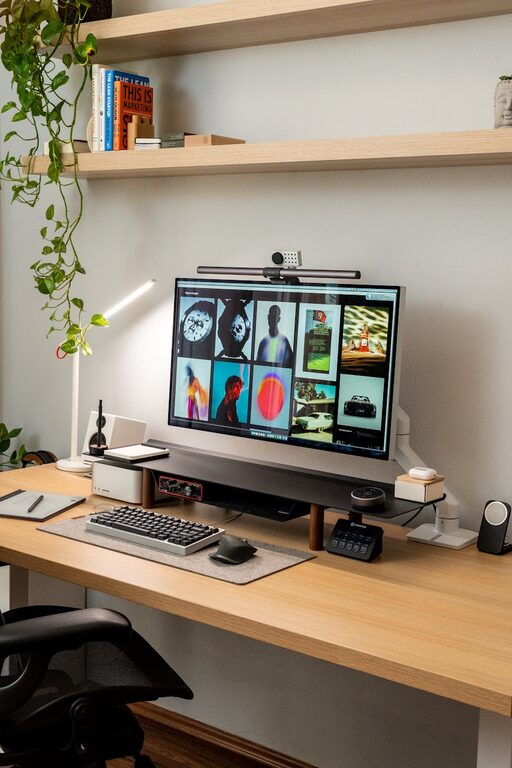
Comfort plays a key role in maintaining focus and reducing physical strain. Invest in an ergonomic chair that supports your posture and a desk at the right height to prevent discomfort. Remember, your furniture should prioritize your health and comfort.
Key Features to Look For
– Adjustable chair with lumbar support.
– Desk space large enough for essentials without clutter.
– Consider standing desks or sit-stand converters for variety.
Optimize Lighting
Lighting affects both your mood and productivity. Natural light is ideal, but you should also have quality artificial lighting to reduce eye strain, especially during late hours.
Lighting Suggestions
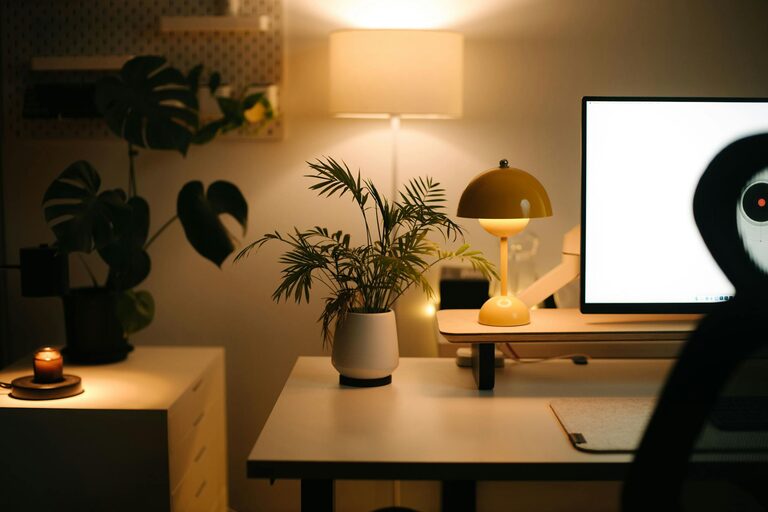
– Use adjustable desk lamps with warm light for focused tasks.
– Avoid harsh overhead fluorescents; soft, diffused lighting works best.
– Consider smart bulbs to adjust brightness and color temperature.
Personalize Your Space with Calming Elements
Adding personal touches can make your office feel inviting and less sterile. However, be mindful to keep decorations minimal to avoid clutter.
Ideas for Personalization
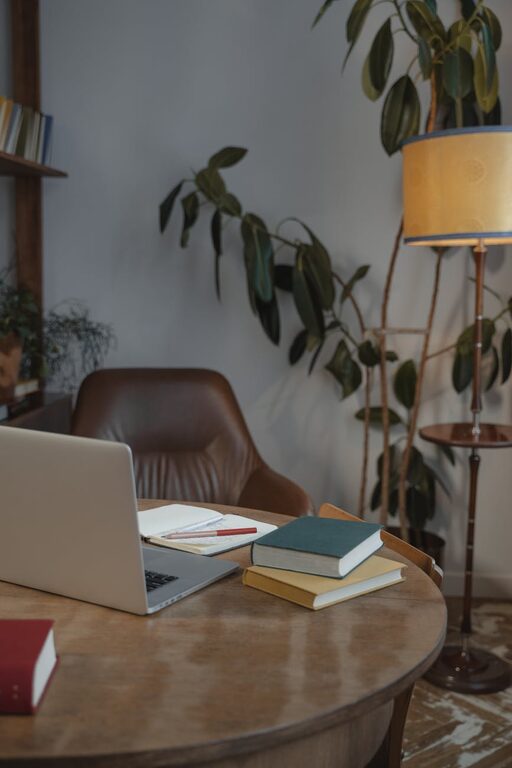
– Include plants to improve air quality and bring a sense of calm.
– Use artwork or photos that inspire and relax you.
– Choose soothing colors for walls or accessories, such as soft blues or greens.
Keep It Organized
A tidy workspace reduces anxiety and distractions. Organize your office supplies, documents, and cables so everything has a place.
Organization Tips
– Use shelves, drawers, and storage boxes to keep items out of sight.
– Employ cable management tools to avoid tangled cords.
– Regularly declutter to maintain a clean environment.
Incorporate Sound Control
Noise can be a significant distraction. Managing sound helps maintain a peaceful atmosphere conducive to concentration.
Sound Management Approaches
– Use noise-canceling headphones or white noise machines.
– Add rugs, curtains, or fabric wall hangings to absorb sound.
– Seal windows and doors to limit outside noise.
Maintain Good Air Quality
Fresh air contributes to alertness and comfort. Keep your home office well-ventilated to avoid stuffiness.
Ways to Improve Air Quality
– Open windows regularly when weather permits.
– Use an air purifier if needed.
– Add indoor plants known for air-purifying qualities, like snake plants or pothos.
Break Area and Mindfulness Tools
Including a small space for breaks can enhance relaxation and productivity. Having mindfulness tools nearby encourages short mental breaks during long work sessions.
Ideas for Break Space
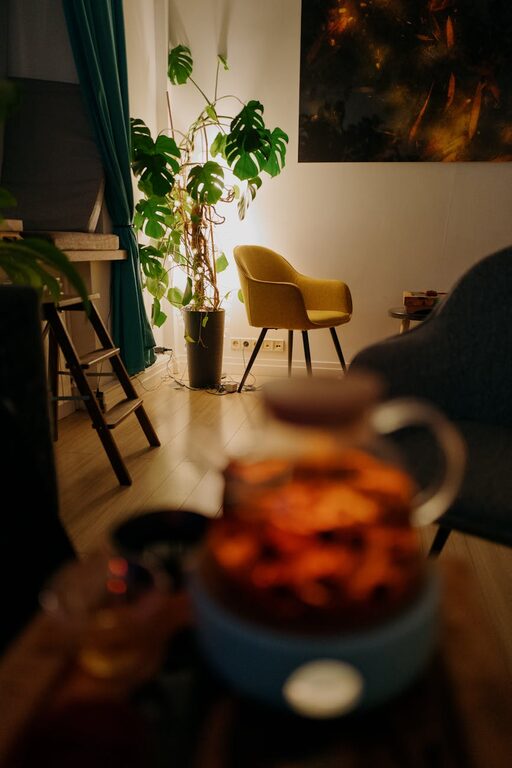
– A comfy chair or cushion for stretching and relaxation exercises.
– Essential oils or a diffuser with calming scents like lavender.
– A small collection of books or puzzles for mental refreshment.
Establish Boundaries and Routine
A relaxing office space also depends on your habits. Set clear work hours and take regular breaks to avoid burnout.
Tips for Balance
– Use a schedule to separate work and personal time.
– Close your office door or put away work materials after hours.
– Incorporate short stretches or breathing exercises into your day.
Final Thoughts
Designing a relaxing home office space doesn’t require a large budget or elaborate makeover. By selecting the right location, investing in comfortable furniture, optimizing lighting, and maintaining organization, you can create a workspace that feels supportive and calm. Remember, your home office should be a place where productivity and relaxation coexist, enhancing your overall work-from-home experience.
About the Author