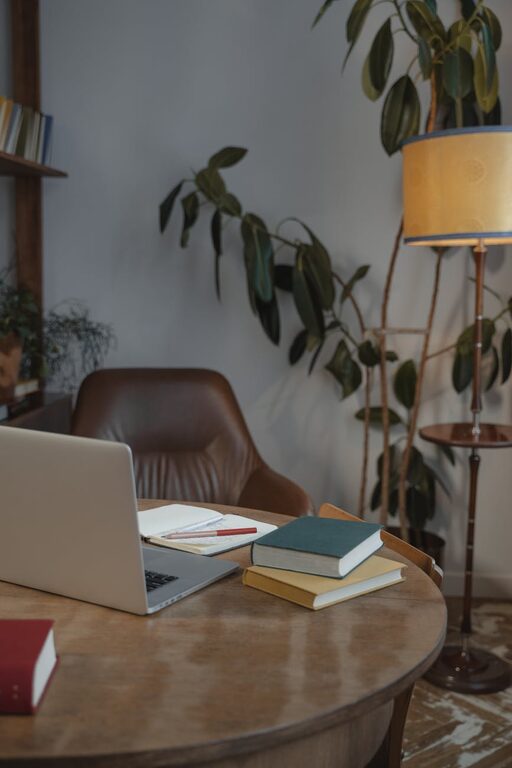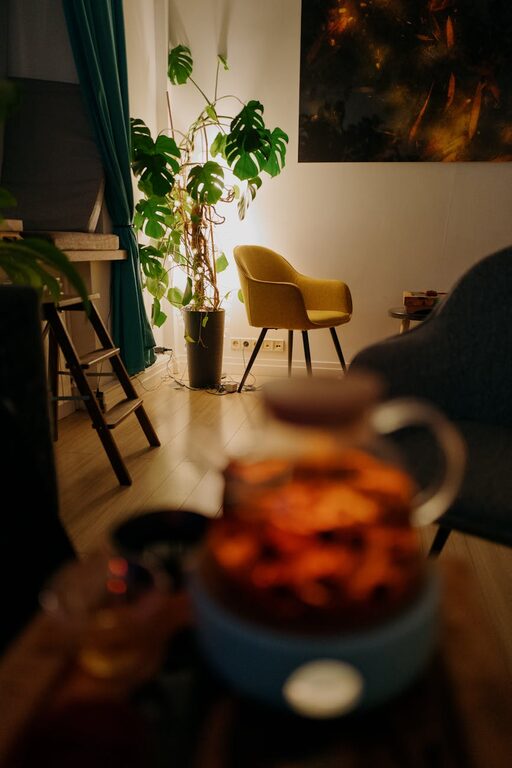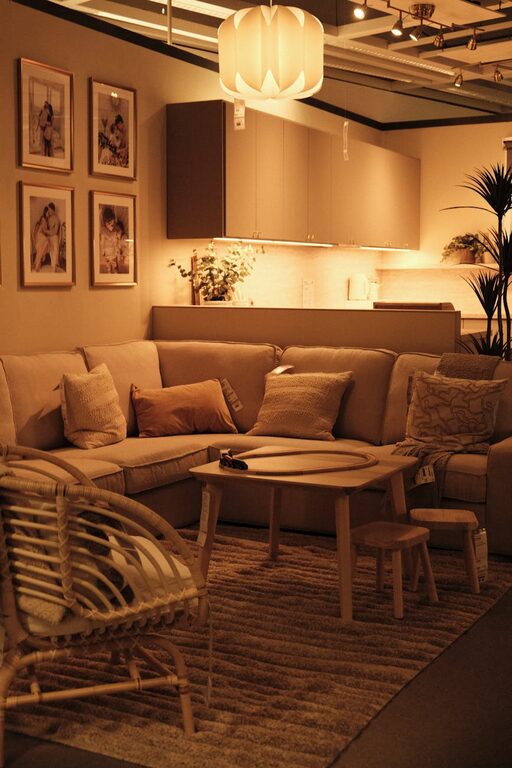
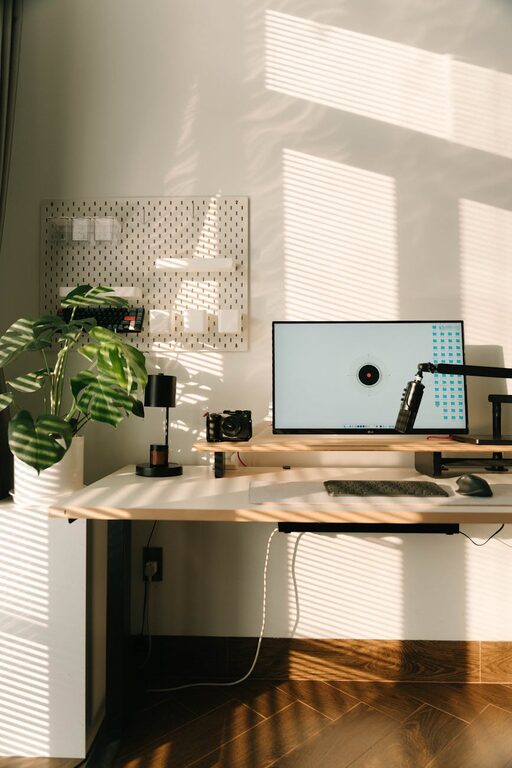
Creating a home workspace that is both cozy and functional can significantly enhance your productivity and overall well-being. Whether you work remotely full-time or occasionally need a dedicated area for projects and tasks, having a space that feels inviting and is well-organized helps maintain focus and reduces stress. In this post, we’ll explore practical tips and ideas to help you design a home workspace that suits your needs and personal style.
Why a Cozy and Functional Workspace Matters
Your workspace affects how you feel and work. A comfortable area with everything you need close at hand encourages concentration and creativity. On the other hand, a cluttered or uncomfortable space can lead to distraction and fatigue. Striking the right balance between coziness and functionality allows you to work efficiently while enjoying your environment.
—
1. Choose the Right Location
Selecting the best spot for your home workspace is the first step. Consider these factors:
– Natural Light: Try to position your desk near a window. Natural light boosts mood and reduces eye strain.
– Quiet Zone: Pick a quiet area with minimal interruptions to stay focused.
– Space: Ensure there’s enough room for your desk, chair, and storage without feeling cramped.
If space is limited, even a corner or a section of a room can be transformed effectively.
—
2. Invest in Comfortable Furniture
Comfort is key to staying productive during long hours.
– Ergonomic Chair: Choose a chair that supports good posture with adjustable height and lumbar support.
– Appropriate Desk: Select a desk that fits your work style. Standing desks or adjustable options can be beneficial.
– Footrest and Accessories: Small additions like a footrest or wrist support can enhance comfort.
Try sitting and adjusting your furniture before settling on what feels best.
—
3. Optimize Lighting
Good lighting prevents eye strain and keeps you alert.
– Layer Your Lighting: Combine ambient, task, and natural lighting. Use desk lamps for focused work.
– Avoid Glare: Arrange screens perpendicular to windows or use blinds to reduce glare.
– Warmth vs. Brightness: Warm light creates a cozy atmosphere, while bright white light helps alertness. Use a combination depending on the task.
Consider smart bulbs that allow you to adjust brightness and color temperature.
—
4. Organize with Purpose
An organized workspace enhances efficiency.
– Declutter: Keep only essential items on your desk to avoid distractions.
– Storage Solutions: Use shelves, drawers, or bins to store supplies and papers.
– Cable Management: Tidy cables with clips or sleeves to keep the area neat.
Label storage spaces to make it easy to find and return items.
—
5. Add Personal Touches
A welcoming environment encourages you to spend more time productively.
– Plants: Indoor plants improve air quality and add a natural vibe.
– Artwork: Display art or photos that inspire and motivate.
– Textiles: Use rugs, cushions, or throws to soften the space and add warmth.
Just be cautious not to overcrowd the area with too many decorations.
—
6. Create Zones for Different Activities
If space allows, design areas for various tasks.
– Focus Zone: Main desk for computer work and tasks requiring concentration.
– Creative Zone: Space for brainstorming, sketching, or idea mapping.
– Break Zone: A comfy chair or nook for short breaks to relax your mind.
Zoning helps switch between activities smoothly and keeps the workflow balanced.
—
7. Incorporate Technology Thoughtfully
Technology is essential but should support your workflow without overwhelming the space.
– Integrate Devices: Use a docking station or monitor stand to free up space.
– Noise Control: Consider noise-cancelling headphones or white noise machines if ambient noise is an issue.
– Charging Station: Set up a designated spot for charging devices to avoid clutter.
Regularly update your tech setup to keep it efficient and reliable.
—
8. Maintain a Routine for Tidiness
Keeping your workspace clean is an ongoing effort.
– Spend a few minutes at the end of each day tidying your desk.
– Reassess your organization system every few months and adjust as needed.
– Make “deep cleaning” part of your weekly or monthly routine.
A tidy space is inviting and helps you start fresh each day.
—
Final Thoughts
Designing a cozy and functional home workspace is not a one-size-fits-all project. It’s about understanding your needs, preferences, and work habits to create an environment where you feel comfortable and motivated. From choosing the right furniture to adding personal touches and maintaining organization, every step contributes to a space where you can do your best work with ease and comfort.
Remember, your workspace should evolve with you, so don’t hesitate to tweak and improve it as you go along. Happy decorating and productive working!
About the Author